Introduction to Tiny Home Laws by State
Tiny homes are becoming increasingly popular across the United States, but understanding the legal landscape is essential before building or placing one. Laws and regulations for tiny homes vary from state to state, making it important to research local rules to avoid legal issues and delays.
Why Tiny Home Laws Vary by State
Each state has its own zoning regulations, building codes, and housing policies. These differences are based on local priorities such as population density, land use, and safety standards. As a result, what is allowed in one state may not be permitted in another.
Zoning Regulations and Land Use
Zoning laws determine where you can place a tiny home. Some areas allow tiny homes as primary residences, while others restrict them to accessory dwelling units (ADUs) or temporary structures. Rural areas tend to be more flexible compared to urban locations.
Building Codes and Safety Standards
Tiny homes must meet certain building codes to ensure safety and habitability. Some states follow international residential codes, while others have their own specific requirements. These codes cover aspects like structure, insulation, plumbing, and electrical systems.
Tiny Homes on Wheels vs Foundation
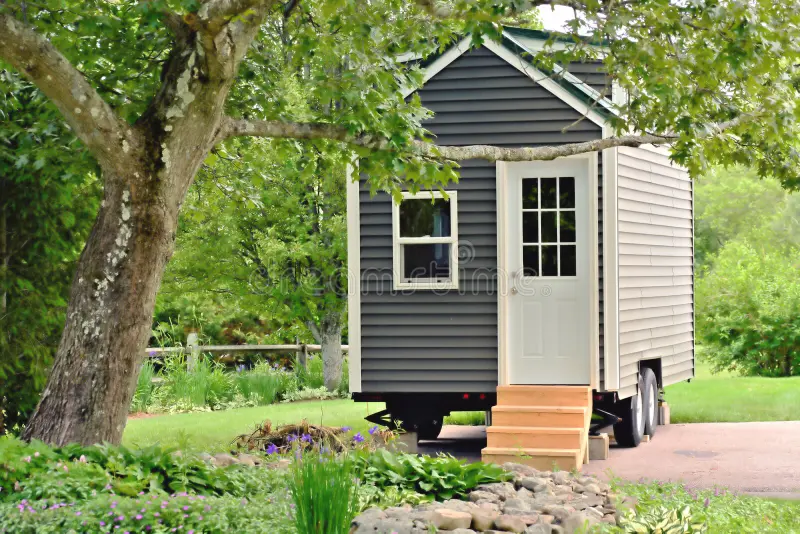
The legal classification of a tiny home depends on whether it is built on wheels or a permanent foundation. Tiny homes on wheels are often treated as RVs and may face restrictions on full-time living. Foundation-based homes are usually subject to standard housing laws.
Permits and Approval Process
Before building or placing a tiny home, you may need permits and approvals from local authorities. This can include zoning permits, building permits, and inspections. The process varies by state and county, so it is important to check local guidelines.
States with Friendly Tiny Home Laws
Some states are more supportive of tiny home living than others. States like California, Oregon, Texas, and Florida have more flexible regulations and growing acceptance of tiny homes, especially as ADUs or in designated communities.
Challenges and Restrictions
Despite growing popularity, tiny homes still face challenges such as zoning restrictions, minimum size requirements, and utility regulations. These limitations can make it difficult to place a tiny home in certain areas.
Tips for Navigating Tiny Home Laws
To successfully build or place a tiny home, research local regulations thoroughly, contact local zoning offices, and consider working with professionals. Staying informed helps you avoid legal complications and ensures a smoother process.
Final Thoughts
Understanding tiny home laws by state is a crucial step in your tiny living journey. With proper research and planning, you can find a location that supports your goals and allows you to enjoy the benefits of tiny home living without legal issues.